It’s no secret that if you deliver exceptional customer service, you will have the true competitive edge—and language skills are at the heart of it. Whether you’re in hospitality, retail, healthcare, or travel, the ability to communicate clearly and warmly across languages transforms everyday service into memorable experiences that drive loyalty and business growth.
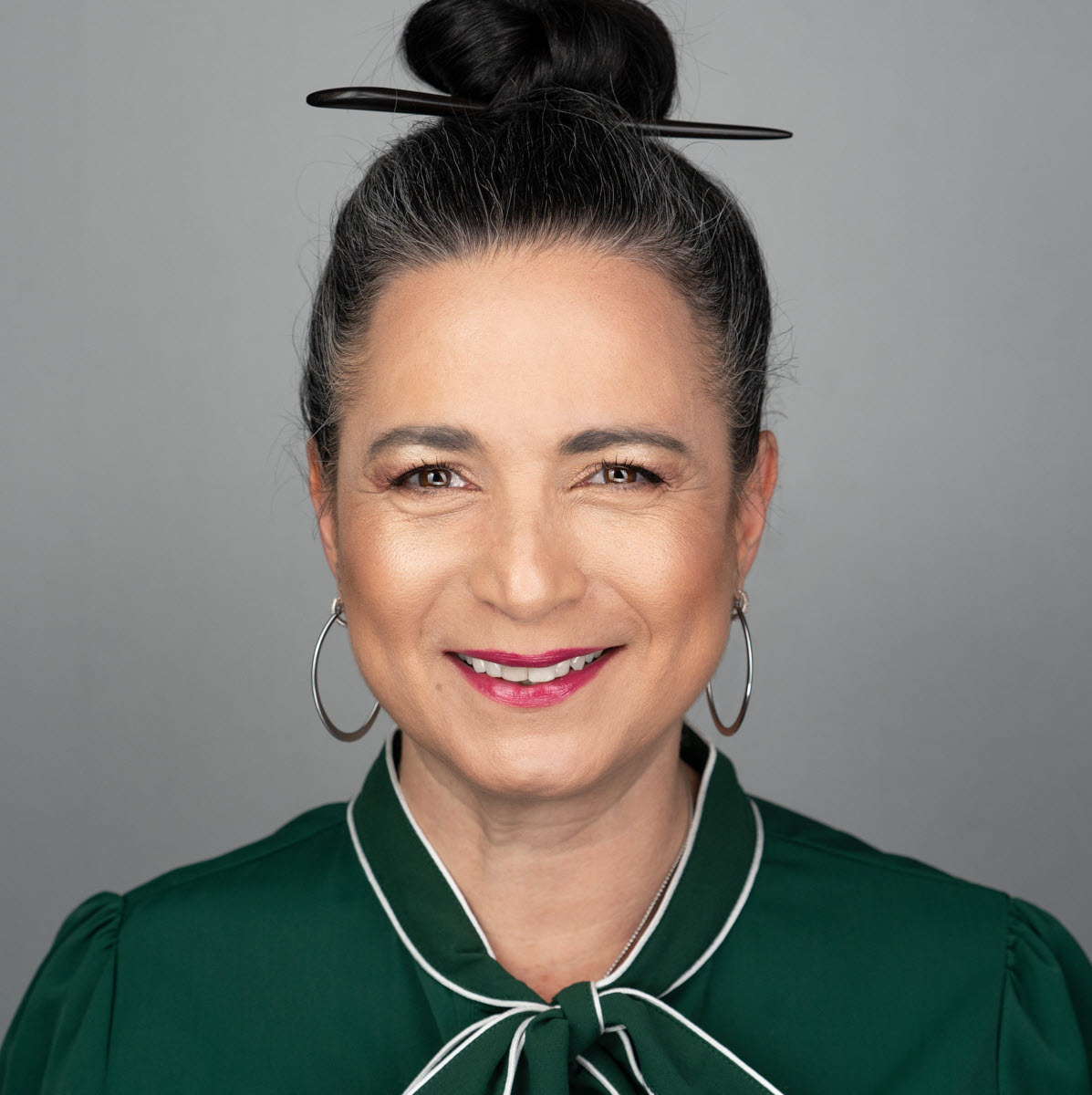
As a communications and marketing expert, I have traveled to most major U.S. cities and internationally, talking to professionals across a wide variety of industries. I’m always curious to learn how important language proficiency is to the customer service imperatives of their companies.
Here are seven language pro tips that I’ve learned throughout the years that can elevate customer service in any industry, along with my personal experiences from hospitality, travel, healthcare, and retail contexts.
1. Greet Customers in Their Language — First Impressions Matter
A warm greeting in a customer’s primary language can instantly break down barriers and make them feel valued. Even if your conversation eventually shifts to English, those first words can set a positive tone.
Personal Experience: At least one person on the front desk staff of the hotels I have stayed at in the last year, whether in Phoenix, Las Vegas, or Washington DC, has been able to communicate with me entirely in Spanish during check-in. This makes me feel like a valued and respected guest to the point that I’ve made a mental note to stay in these hotels whenever I’m ever back in town.
Pro Tip: Train staff with basic greetings and polite phrases in the top three languages of your customer base.
2. Confirm Understanding — Don’t Assume
In multilingual interactions, misunderstandings can easily happen—even when everyone nods and smiles in affirmation. Always confirm critical information, like appointment times, payment amounts, or travel itineraries.
Personal Experience: I recently went shopping with my mom, and when we were ready to pay at the cash register, she started debating with me in Spanish on whether to buy a specific piece of clothing. To my mom’s delight, the bilingual cashier chimed in, telling us that she had thirty days to return the item with the receipt. The rest of the transaction was conducted in Spanish, and all of my mom’s concerns were addressed, including which items had a discount!
Pro Tip: Use teach-back techniques, such as kindly asking customers to repeat key points in their own words to ensure clarity.
3. Keep It Simple — Avoid Industry Jargon
Even fluent bilingual speakers can stumble over specialized or technical terms. Adjust your language to be as clear and straightforward as possible.
Personal Experience: When I travel, I dread having to go through security. It stresses me out. Some agents tend to be very stern when providing instruction and use broad technical terms or phrases like “remove all digital devices.” When I encounter Latino airport security staff, I find comfort in confirming with them in Spanish what exactly I’m supposed to be removing from my bag.
Pro Tip: Simplify explanations without sounding condescending. Focus on clear verbs and concrete nouns. I encourage using descriptive language if you get stuck looking for a specific word. Adjectives are your friends!
4. Use Multilingual Signage and Visual Aids
Support verbal communication with visual cues. Bilingual or multilingual signage helps guide customers, reduces stress, and empowers them to navigate services independently.
Personal Experience: I live in Orlando and have been to the theme parks so many times that I’ve lost count. Disney cast members have on their name tags the country they are originally from as a visual aid for visitors to engage with someone in their primary language, if needed. My favorite park is Epcot Center, because you are guaranteed that the cast members of the World Showcase speak the languages of the countries they represent. The result? A more authentic experience among international visitors from the countries featured, and ease of communication during commercial transactions.
Pro Tip: Ensure all key customer touchpoints—entrances, restrooms, payment stations—feature multilingual signage or universally understood visuals.
5. Show Cultural Sensitivity Beyond Language
Great service isn’t just about speaking a language; it’s about understanding cultural nuances, like how gestures, formality, or personal space expectations differ.
Personal Experience: My teenage daughter had to get an ambulatory surgical procedure inside her eyelid. She was very anxious about it—worried she would have a horrible mark that she would not be able to hide with make-up. I was able to be with her while she had the procedure done by a non-Hispanic female doctor. Before the surgery began, I hugged my daughter, reassuring her that everything would be OK. “Tranquila,” I said in Spanish, encouraging her to be calm. And then, right before she put on her surgical gloves, the doctor held my daughter’s hands and told her, “We got this.” The doctor understood that, as Hispanic patients, we needed her to enter our personal space to feel safe. Everything went well, and we each even received a hug from the doctor on our way out.
Pro Tip: Offer cultural competency training alongside language training. Understanding “how” you say something matters as much as “what” you say.
6. Empower Staff with Language Resources
When the language proficiency of your employees isn’t sufficient for the job at hand, consider equipping them with translation apps, a “cheat sheet” with common phrases or simple multilingual handouts to bridge communication gaps when needed.
Personal Experience: In my recent travels, I have experienced general in-flight instructions delivered in some instances in both English and Spanish, especially to and from cities with high-density Hispanic populations. Sometimes these instructions are recorded, which helps ensure there are no gaps in communicating safety information. More airlines are requiring candidates for flight attendants to be bilingual, and even in those that don’t, the simple strategy of recorded safety information can help alleviate potential miscommunication.
Pro Tip: Make sure language resources are easy to access (even classes!)—so staff can continuously improve their language proficiency skills.
7. Celebrate Language Skills as a Core Business Asset
Language skills should be recognized and rewarded within your organization. Bilingual employees are brand ambassadors who help extend your reach, reputation, and revenue.
Personal Experience: One of my clients is a major hospital network in Central Florida, and I admire how they give their bilingual team members the opportunity to become certified interpreters. They also offer extra compensation for using their language skills, and these team members are identified with a special tag attached to their ID badges. This is a strategic way to create a pipeline of language experts within clinical and nonclinical settings who are able to support patient-centered care through video remote interpreting (VRI), by phone, or in person.
Pro Tip: Highlight bilingual staff during onboarding, marketing efforts, and internal recognition programs. It sends a powerful message—to employees and customers alike—that language matters.
Certify Language Proficiency
The bottom line is that language isn’t just a skill — it’s a critical asset in customer service, compliance, and business growth. Certifying language proficiency through ACTFL® assessments delivered by Language Testing International® (LTI) ensures that employees consistently deliver at the highest standard across any business environment.
LTI delivers remotely proctored ACTFL assessments in over 120 languages, giving you a clear, accurate view of an individual’s ability to perform in another language. No guesswork. No assumptions. Just proven proficiency that empowers employers to build stronger teams and bilingual professionals to build stronger futures.
In a world where experience is everything, companies and individuals who are investing in their language proficiency will be the ones customers remember—and return to—time and time again. For more information, visit languagetesting.com.