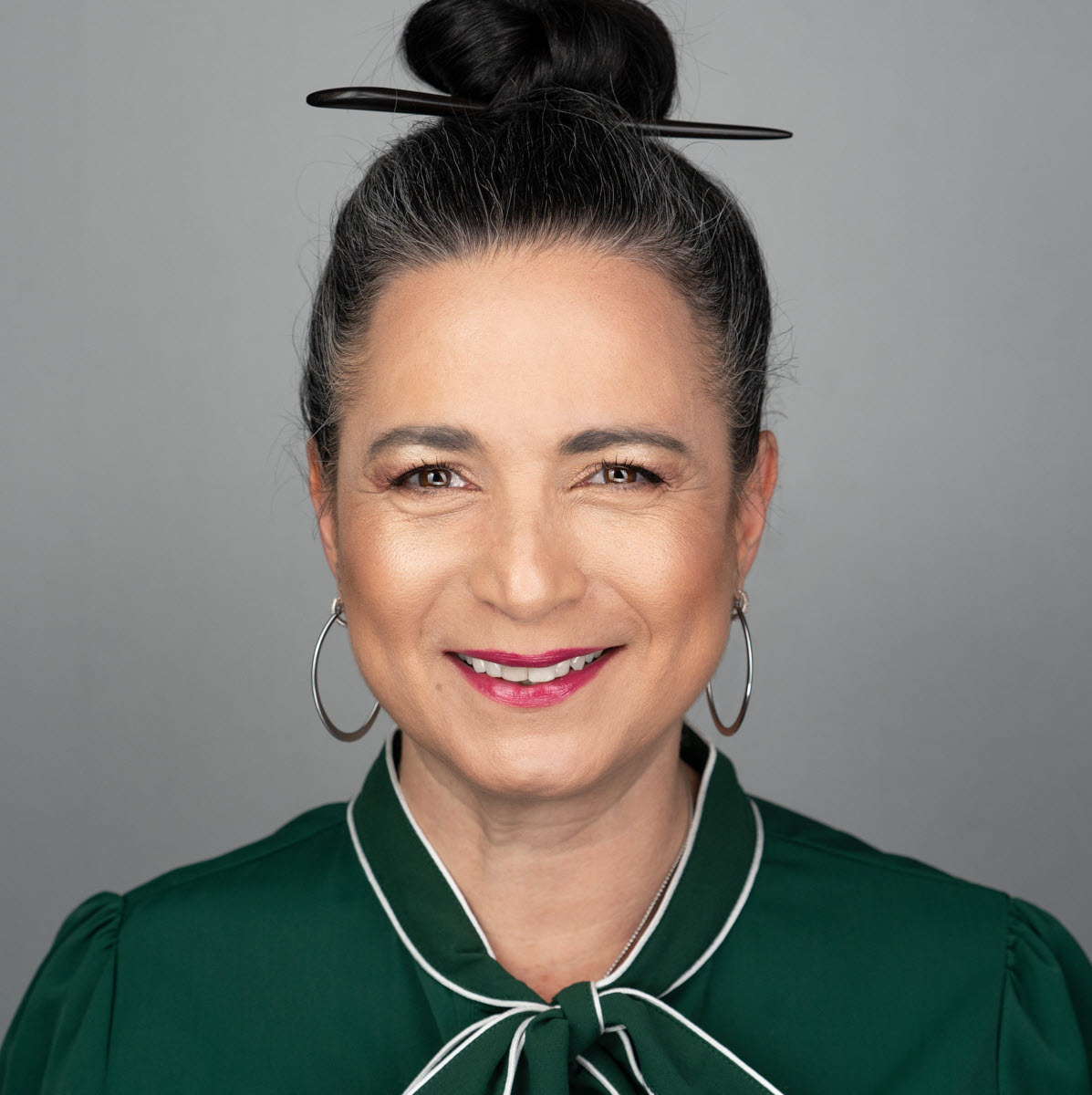
When I sit with Marlyn Bonzil-Juste, CEO of Top Choice Medical Transport, it’s like sitting across from a quiet force of nature—steady, determined, and deeply rooted in service to her community. Every word she speaks carries the weight of experience, compassion, and an unwavering belief in the power of connection.
Marlyn’s journey to co-founding Top Choice Medical Transport is personal and tenacious. As an immigrant from Haiti, she watched her family struggle with access to reliable and culturally mindful healthcare transportation. It was her grandmother’s hardships in getting to critical medical appointments that first ignited Marlyn’s determination to build a better solution. Founded in 2020, her company has quickly become a vital link between patients and healthcare providers throughout Central Florida.
As I discussed with her how multilingual communication plays a critical role in non-emergency medical transportation, it became clear that Top Choice Medical Transport isn’t just a service—it’s a lifeline for many people.
Language is at the Heart of Patient Care
Marlyn herself speaks fluent English, French, and Haitian Creole, and she’s assembled a team that reflects the patient population they serve. Spanish-speaking staff are essential in Central Florida, where Latino communities are experiencing rapid growth. With the region’s position as a global tourism hub, it’s not uncommon to encounter visitors from around the world who need care and support.
“Language isn’t just a convenience; it’s a necessity in healthcare,” Marlyn said. “Especially in non-emergency transport, when patients are vulnerable, anxious, and dependent on others, clear communication makes the difference between safety and confusion.”
Top Choice Medical Transport ensures that drivers and dispatchers can explain trip logistics, appointment details, and mobility assistance in the language that patients are most comfortable speaking. It’s a standard that Marlyn refuses to compromise.
This is why evaluating true language proficiency across all team members is essential – not simply claiming bilingual ability but demonstrating it in practice. Organizations serious about mitigating risks and delivering optimal customer service must prioritize proficiency certification. That’s where ACTFL® assessments delivered by Language Testing International® (LTI) come in. As the gold standard in measuring language proficiency levels, these assessments offer a trusted, objective way to ensure that staff possess the communication skills necessary to maintain patient safety and dignity.
Beyond Translation, It’s About Building Trust
“Trust is built through language,” Marlyn emphasized. “When a patient hears familiar words, spoken with care, it immediately lowers their stress.”
She shared a story about a Spanish-speaking patient recently discharged from surgery who was disoriented and scared. As soon as the Top Choice driver greeted him warmly in Spanish and explained the post-transport care instructions, the patient’s whole demeanor changed. The patient was then more open to interact with the driver regarding mutual culturally based interests, enhancing the patient’s experience. “He felt seen. He felt safe,” Marlyn recalled.
Similarly, Marlyn’s Creole-speaking team members have intervened in moments when miscommunication could have jeopardized patient health, ensuring discharge instructions were understood before the patient left the facility. “When you eliminate language barriers, you eliminate fear and anxiety,” Marlyn said. “And when patients feel safe, everything—compliance, recovery, satisfaction—improves.”
Partnering to Ease Health Access
Top Choice Medical Transport’s collaboration with major hospital networks in the Orlando Metro area highlights how language plays a role not just in service delivery but in institutional trust. As a preferred transportation vendor in the region, Top Choice is entrusted with safely moving patients to and from healthcare facilities.
“Our multilingual team allows hospitals to discharge patients confidently, knowing they’ll understand how to get home safely, how to navigate follow-up appointments, and what mobility precautions they must take,” Marlyn explained.
It’s a relationship built on reliability, yes—but also on shared values: patient-centered care and ease of access to health services.
Training the Team with Cultural Fluency as a Core Competency
Marlyn doesn’t believe that speaking another language alone is enough. She invests in training her team to develop cultural fluency—the ability to recognize and respect cultural nuances that influence communication and behavior.
“How you say something matters,” she said. “In some cultures, directness is valued. In others, it can seem harsh. We teach our team to listen, observe, and adjust.” For example, in Haitian and Dominican cultures, titles and formal greetings carry weight. In some Latino cultures, hospitality and warmth are paramount. Recognizing these subtle cultural cues ensures that every patient interaction is not just functional, but deeply respectful.
In a high-tourism area like Orlando, Top Choice Medical Transport frequently serves international visitors needing non-emergency transport. “Being sick or injured away from home is terrifying enough,” Marlyn said. “When we meet patients in their own language, we give them back a little control—a little dignity.” It’s a simple but profound act her team repeats every day across hundreds of miles and countless journeys.
Language as a Strategic Driver of Innovation
Marlyn sees language as a core pillar of her company’s future growth strategy.
“As we expand, multilingual capability isn’t an add-on; it’s a non-negotiable,” she said. “Every community we serve deserves to be understood.”
She’s also always looking for bilingual healthcare transportation professionals, ensuring that as the region grows, so does her access to a pool of vetted multilingual, culturally competent staff ready to meet a wide variety of needs. “Healthcare is changing. Central Florida is changing. We have to change with it—and language is the bridge that keeps us connected and safe,” she added.
It’s impossible not to feel inspired by Marlyn Bonzil-Juste’s clarity of purpose. She doesn’t just see transportation as moving people from place to place. She sees it as an act of service—one that demands empathy, professionalism, and above all, the willingness to meet people where they are, in the language they live in.
“When we speak to patients in their language,” Marlyn told me, “We’re telling them: You matter. Your journey matters. Your health matters, and we care.”
In a world often divided by miscommunication, leaders like Marlyn remind us that language isn’t a barrier—it’s the bridge to dignity, empathy, healing, and hope.
If there’s one thing I’ve learned, it’s that language is a powerful bridge, but only when it’s truly strong. That’s why verifying language proficiency matters. ACTFL assessments help both employers and bilingual professionals know exactly where they stand.
LTI delivers remotely proctored, ACTFL assessments that cover over 120 languages and measure real-world skills in reading, writing, speaking, and listening. It’s not about guessing—it’s about being confident that you or your team can perform at the level today’s world demands. Stronger communication means stronger teams, better service, and bigger opportunities ahead. For more information, visit languagetesting.com.